
The key to the Carb Swappers Diet, as explained in detail in my book “Think and Grow Thin,” is to reduce the carbohydrates (carbs) consumed per day to 50 or below. This can be done, as I explain in the book and here in another article, without reading the labels on everything you buy or looking up carb counts online. Just follow a simple three-step rule.
Losing weight the Carb Swappers way means focusing on protein consumption, such as beef and chicken. You can have a nice hamburger patty (without the bun) or a chicken breast with twice as many veggies of the low-carb type on a plate. However, if you decide to go vegan or vegetarian, or you already are, and you want to substitute real protein for “meatless” or plant-based substitutes, beware. The grams of protein can be fewer, and the carbs higher. Beef, chicken, and other meat products have no carbohydrates.
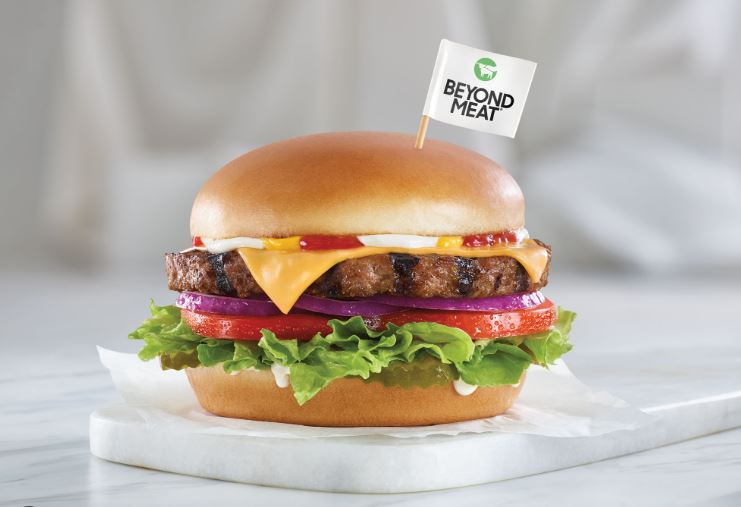
The balance between protein and carbs in these products depends on their composition. Real-meat mimics, which are made from soy or pea proteins, have as much protein as the real deal, but also have 3 to 7 carbs. Real-meat mimics include the Impossible and Beyond Meat varities.
Traditional veggie burgers (Dr. Praeger’s, MorningStar) are made of black bean, quinoa, corn, carrots, and brown rice. They are moderate in protein content, 5 to 12 grams, and high in carbs, 15 to 30 grams. The Quorn brand is consider a mycoprotein product, which includes wheat gluten. It is fairly high in protein at 13 to 16 grams and moderate in carbohydrates, at about 9 grams.
Seitan-based substitutes, such as Uptons and Field Roast, are made of vital wheat gluten, and are high in protein at 18 to 25 grams, and moderate in carbs at 10 grams.
The point is that beef, chicken, and other meat products contain zero carbs and are high in protein. If you go for a substitute, carbs will be involved and will have to be considered in your overall daily consumption
