Browsing
Category: Forget GLP-1
-

We’ve Become Dopamine Dopes, Relying on Carbohydrates, Fats, Salts and Sugar for a Momentary High
Walk down the center aisles of any modern supermarket, and you are not merely browsing food; you are navigating a landscape of precision-engineered neurochemical triggers. Brightly colored packages offer combinations of crunch, sweetness, and salt that rarely exist in the natural world. For millions of people, opening a bag of chips or a box of…
-

What Are Ultra-Processed Foods, and Why Are They On Robert F. Kennedy Jr.’s No-No List?
Health and Human Services Secretary Robert F. Kennedy Jr. is sounding the alarm on ultra-processed foods. “Nearly 60% of the American diet is made up of ultra-processed foods, and childhood obesity now affects more than one in five American children,” he said in announcing new rules regarding food ingredients. “We cannot reverse America’s chronic disease…
-
What Is a Microlife? It Counts for Longevity — Adding Daily Servings of Fruits and Veggies Can Add Years to Your Life
When we think about health risks, dramatic events often come to mind. Yet, long-term health and longevity are largely shaped by subtle, daily choices. To better understand how daily habits accumulate over time, health researchers and statisticians often use a metric known as the microlife. What Is a Microlife? A microlife represents 30 minutes of…
-

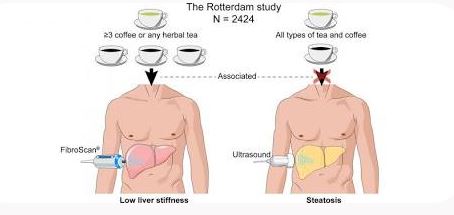
Like Your Cup of Joe? Keep It Up. Your Liver Will Love You for it!
The popular saying “Cup of Joe,” which refers to a cup of coffee, comes from Navy Secretary Josephus Daniels, who banned alcohol on ships. Coffee took over, and was sardonically referred to as a “Cup of Joe.” Mr. Daniels was actually doing the Navy crews a benefit. Replacing alcohol with coffee is a big health…
-
Flour Products Can Skyrocket Your Carb Count the Minute They’re Consumed
Standard white all-purpose flour is carbohydrate-dense, containing approximately 95 grams of total carbohydrates (about 92 grams of net carbs) per 1-cup serving (120g). Even a single tablespoon delivers roughly 6 grams of net carbs, making traditional wheat flour unsuitable for low-carbohydrate diets. Fortunately, several low-carb and zero-carb alternatives perform well for baking, thickening, and breading…
-

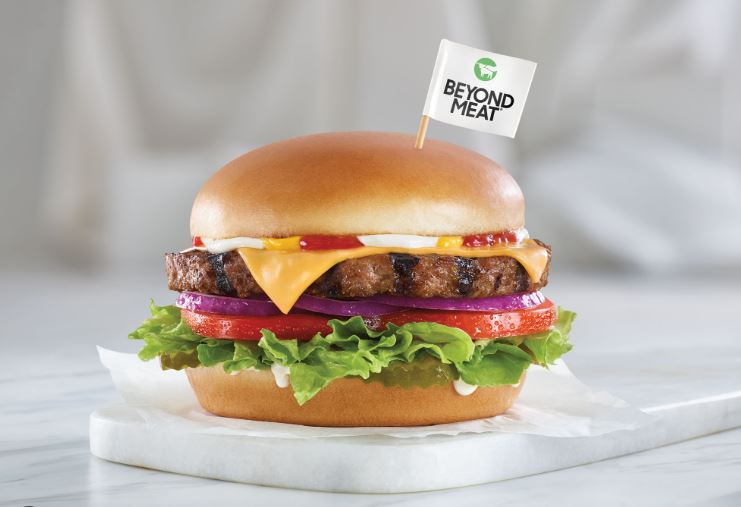
Going from Chicken and Beef to Meatless Substitutes? Beware: There May Be Less Protein and More Carbs
The key to the Carb Swappers Diet, as explained in detail in my book “Think and Grow Thin,” is to reduce the carbohydrates (carbs) consumed per day to 50 or below. This can be done, as I explain in the book and here in another article, without reading the labels on everything you buy or…
-

How to Stick to 50 Carbs a Day or Fewer Without a Magnifying Glass– and Enjoy It!
Keeping your daily intake under 50 grams of net carbs doesn’t require obsessive tracking or complicated meal plans. With a few simple food rules and smart choices, you can build satisfying meals that naturally stay within your carb budget. Important note: Individual carbohydrate needs vary based on activity level, metabolism, and health goals. If you…
-

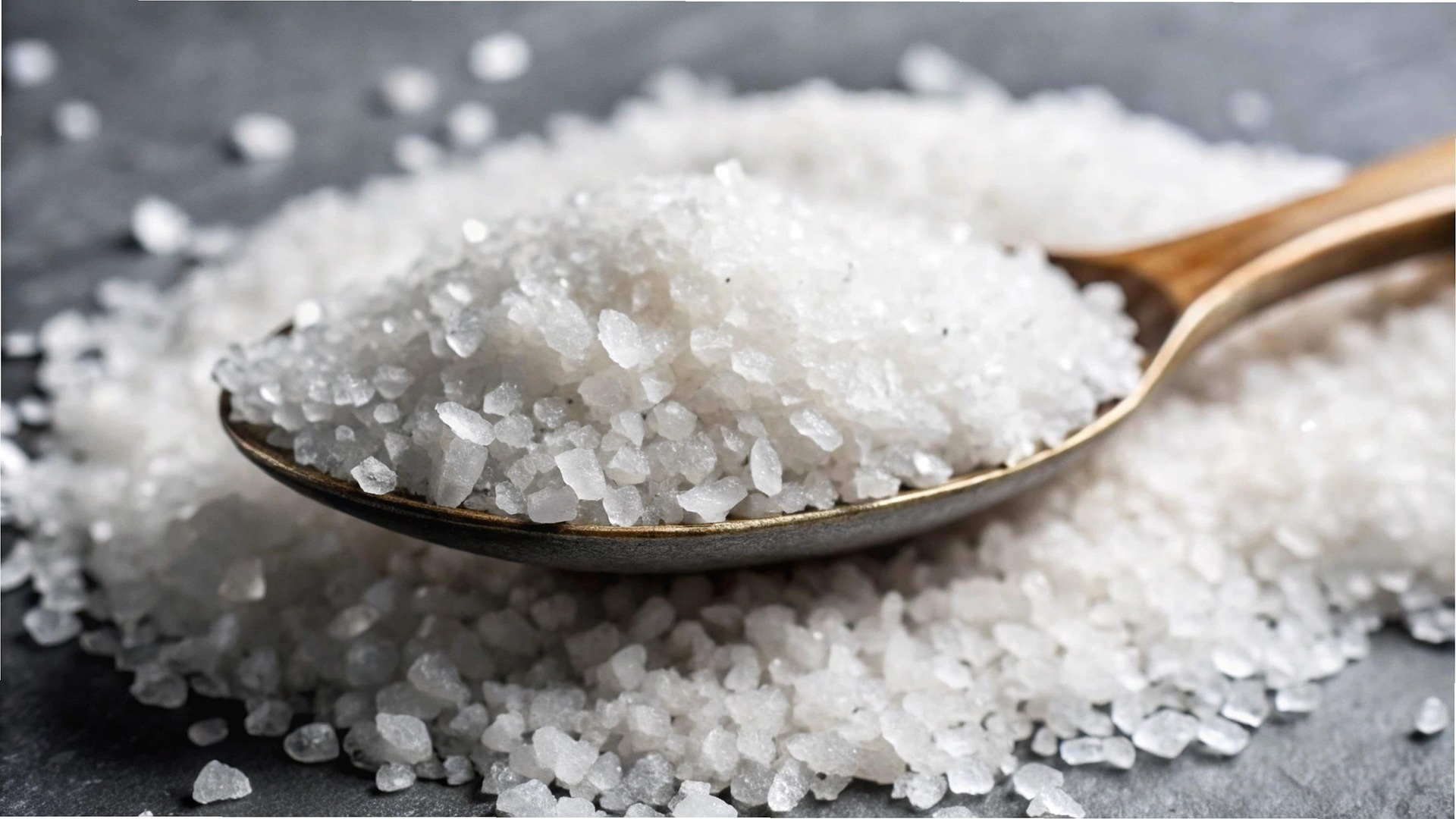
What’s Wrong with Using Salt? Hint: It Can Add Weight and Keep It On, and Cause Ticker Troubles
Sodium is an essential mineral that helps regulate fluid balance, nerve function, and muscle contraction. However, most people consume far more than their bodies need, and this excess can trigger a cascade of health problems ranging from temporary bloating to serious chronic diseases. How Salt Causes Short-Term Weight Gain When you eat a high-sodium meal,…
-
Warning: One ‘Cheat Day’ on Low Carb Can Result in 8 Added Pounds That Take 4 Days to Lose!
If you’ve been following a low-carb or ketogenic diet during the week and then indulge in a massive cheat day—think burgers, fries, pizza, and dessert—your body goes through a series of dramatic physiological shifts. This pattern of cycling between deep low-carb mode and a sudden influx of refined carbohydrates, processed fats, and sodium triggers specific…
-
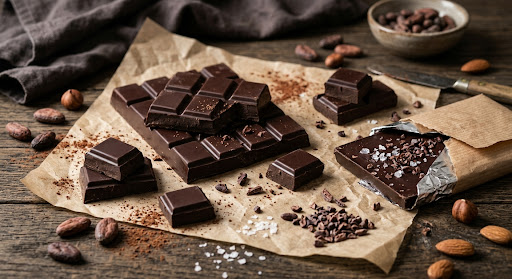
Dark Chocolate: Not Recommended for Your Diet, But Great for Your Heart — in Moderation
Chocolate often carries a reputation as an indulgence to be avoided, but not all chocolate is created equal. When sourced from cacao-dense varieties and enjoyed in moderation, chocolate can offer meaningful physiological benefits. These health advantages are driven by flavanols—a group of potent plant-based antioxidants concentrated in the cocoa bean—rather than the sugar, dairy fats,…